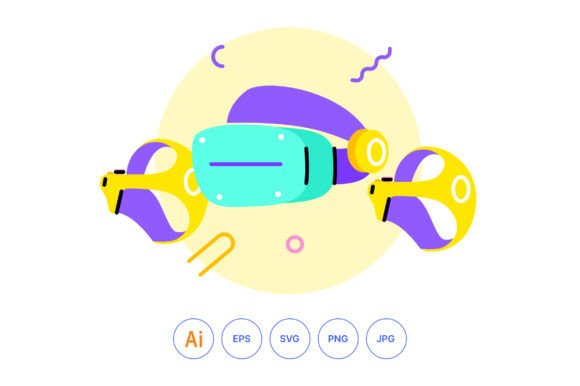
AI VR for Game Illustration: Modern Graphics for Dynamic Brand Projects
First Impressions: A Futuristic Visual Language
Opening up the AI VR for Game Illustration set, I immediately noticed the clean, immersive quality of the visuals. These graphics carry a strong sci-fi tone, blending sleek lines with glowing effects that evoke a sense of digital exploration. The style feels modern yet accessible, making it a solid fit for tech-forward brands, gaming startups, or any creative project aiming for a futuristic edge.
Style Breakdown: Where Sci-Fi Meets Design Flexibility
The design language here leans heavily into the virtual reality aesthetic—think floating orbs, circuit patterns, and abstract light trails. Each illustration is layered with subtle textures and gradients that add depth without overwhelming the composition. It’s a balance that works well in both digital and print environments, especially when aiming for a high-tech or interactive brand identity.
Logo Design and Brand Identity: A Bold Direction
While not logo-ready out of the box, elements from AI VR for Game Illustration can be reworked into strong brand marks. For a tech startup or game development studio, integrating one of the abstract elements as a supporting icon gives a fresh, forward-looking tone. Just be cautious about overusing effects—what reads as dynamic in a social media post might become cluttered in a minimalist logo application.
Packaging and Product Labels: Enhancing Visual Depth
When designing packaging for a boutique electronics line or a themed product collection, these graphics add a layer of sophistication. Used as background textures or accent icons, they elevate the perceived value of the product. I tested one of the illustrations on a mockup for a VR headset case and found it enhanced the product’s futuristic appeal without overshadowing the core branding.
Social Media and Web Graphics: Capturing Attention
For Instagram stories, Pinterest pins, or website headers, the AI VR for Game Illustration assets perform exceptionally well. Their high contrast and vivid color palette naturally draw the eye, making them ideal for digital campaigns targeting a younger, tech-savvy audience. They also scale well across devices, maintaining clarity in both desktop and mobile views.
Printable and Craft Projects: Beyond the Screen
One of the more unexpected uses I explored was integrating these graphics into Cricut projects and printable wall art. Because the files include SVG and PNG formats, they’re easy to import into design software like Silhouette Studio or Cricut Design Space. The vector versions allowed for clean, crisp cuts, and the transparent backgrounds made layering with other design elements straightforward.
Commercial Design and Licensing: Always Double-Check
Before deploying any design asset in a client project, I always verify the licensing. The AI VR for Game Illustration set includes a commercial license, which is a major plus for freelance designers and agencies. Still, I recommend confirming the terms directly with Orenjistudio to ensure compliance, especially if the asset will be used in print-on-demand or resale contexts like Etsy products.
File Formats and Editability: Ready for Real Work
- Adobe Illustrator files allow for full customization of paths and colors.
- EPS is great for legacy workflows or print production.
- SVG ensures scalability for web and responsive design.
- PNG offers transparency support for overlaying on backgrounds.
- JPG is handy for quick previews or mockup integration.
Design Considerations: When to Lean In—or Step Back
These illustrations shine in expansive layouts like posters, hero banners, or packaging wraps. They work best when there’s breathing room to let the visual elements stand out. However, I’d avoid using them in minimalist branding or corporate materials where clarity and restraint are key. They also tend to lose impact when scaled down for small icons or embedded in complex, multi-layered designs.
Testing for Readability and Brand Consistency
I layered a few of the illustrations behind text blocks to see how they affected readability. On light backgrounds, the glowing effects can wash out lighter fonts, especially sans-serif styles. Pairing them with bold, dark typography helped maintain contrast. I also tested them with script fonts and found a nice balance when using the illustrations as background accents rather than dominant visuals.
Emotional Appeal and Audience Engagement
From a visual psychology standpoint, the color palette—deep blues, electric purples, and neon highlights—evokes curiosity, innovation, and excitement. These are strong emotional triggers for audiences interested in gaming, AI, or future tech. Using these graphics in a campaign or product line can help establish a brand as cutting-edge and imaginative.
Final Designer Notes: Practical Checks Before Deployment
- Preview in grayscale to ensure contrast remains effective without color.
- Test placement on both light and dark backgrounds for versatility.
- Check legibility at thumbnail sizes if used in digital ads or social posts.
- Print a sample on sticker or t-shirt material to assess detail retention.
- Confirm SVG and EPS files open cleanly in your preferred design software.
- Use in Canva templates to see how it integrates with other design assets.
Conclusion: A Polished Addition to Modern Design Kits
The AI VR for Game Illustration set offers a compelling mix of futuristic visuals and practical usability. Whether you're building a new brand identity for a gaming startup or spicing up a seasonal campaign for a digital product launch, these graphics can add a professional, on-trend layer to your design work. Just remember to test thoroughly, use thoughtfully, and always align the visual tone with the client’s brand story.