Chess Master: A Sharp Embroidery Design for Strategic Makers
First Impressions: A Bold, Timeless Theme with Modern Appeal
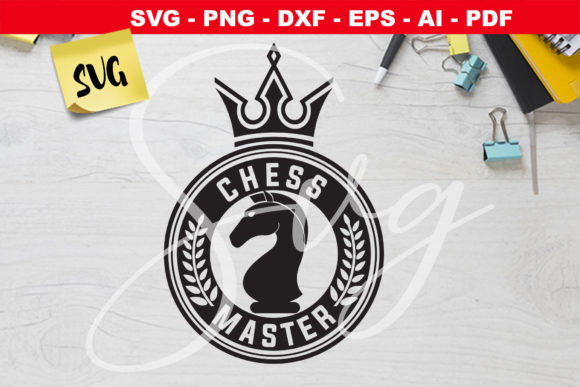
Opening the Chess Master, Chess Game design file, I immediately noticed how the composition balances classic chess iconography with clean, modern lines. The design features a stylized chessboard with detailed pieces—king, queen, knight, and pawn—arranged in a way that evokes strategy and intellect. It’s not overly ornate, which makes it versatile for both traditional and contemporary embroidery projects.
The layout feels balanced, with enough negative space to prevent crowding, especially on smaller items. The theme leans toward sophistication without being stuffy, making it a great fit for crafters targeting a niche audience—think boutique owners, Etsy sellers, and custom apparel designers who want to stand out with intellectual flair.
Real-World Use: From Sweatshirts to Baby Onesies
I tested Chess Master, Chess Game on a few real-life embroidery projects to see how it stitches out. First, I embroidered it on a medium-weight cotton sweatshirt. The design held up well, with clean satin stitches outlining the pieces and smooth fill stitches on the board. Thread color contrast was key—using black thread on a white background made the details pop, while a navy-on-gray combo gave a more subdued, elegant look.
Next, I scaled it down for a baby onesie. Even at a smaller size, the design maintained its clarity. The knight’s face and the queen’s crown remained recognizable, which is impressive for a design that could easily get lost in detail. It made a charming gift for a baby shower, especially when paired with a tiny embroidered message like “Future Grandmaster” underneath.
Where It Shines: Patches, Tote Bags, and Holiday Gifts
One of the standout uses for Chess Master, Chess Game is in creating embroidered patches. Applied to a denim jacket or a canvas tote, it adds a unique, personalized touch that appeals to both kids and adults. The design's symmetry and strong outlines make it ideal for applique work, especially when using contrasting fabric underneath the chessboard for a pop of color.
I also tried it on a holiday gift—a personalized pillow cover for a friend who loves board games. Stitched in gold thread on dark red linen, it gave a luxurious feel without being too flashy. It's the kind of piece that elevates handmade items from crafty to curated.
When to Be Cautious: Fabric, Size, and Detail Sensitivity
While the Chess Master, Chess Game design is visually strong, it does require attention to fabric choice. On stretchy knits, I noticed slight distortion in the finer details—particularly the knight’s mane and the queen’s crown—if the stabilizer wasn’t applied properly. For best results, I recommend using a medium-weight cutaway stabilizer and avoiding overly textured or loosely woven fabrics unless you're prepared to test extensively.
Dark fabrics also require extra consideration. I tested the design in both light and dark thread on black cotton and found that some of the lighter interior details—like the knight’s eye—disappeared unless I added a small white accent stitch. This is a minor tweak, but one worth noting for embroiderers who want maximum visibility.
Design Performance Across Product Types
- Custom Apparel: Works well on sweatshirts, hoodies, and t-shirts, especially when paired with minimalist fonts for names or dates.
- Tote Bags: Perfect for canvas or linen totes, where the design can be the focal point without overwhelming the fabric.
- Baby Items: Surprisingly effective on onesies and burp cloths when scaled appropriately.
- Embroidered Patches: Sharp outlines and defined corners make it ideal for iron-on or sew-on patches.
- Holiday & Wedding Gifts: Adds a personal, thoughtful touch to items like pillow covers, tea towels, and framed embroidery art.
- Digital Mockups: Translates well into printable mockups for Etsy sellers or digital product previews.
Professional Presentation and Branding Potential
For small business owners and creative entrepreneurs, Chess Master, Chess Game can serve as a subtle yet powerful branding element. If your shop focuses on intellectual or educational gifts, this design communicates quality and thoughtfulness. It’s not a loud or flashy graphic—it’s refined, which helps elevate the perceived value of the finished product.
On Etsy or at a craft fair, this design would stand out in a sea of generic motifs. It speaks to a specific audience—chess enthusiasts, educators, and strategic thinkers—and that kind of niche appeal can drive repeat customers and word-of-mouth referrals.
Practical Designer Notes: Test Before You Trust
As with any digital embroidery file, it’s important to test Chess Master, Chess Game on scrap fabric before committing to a final product. I always start with a basic cotton or muslin swatch to check for stitch density and thread coverage. If the design feels too dense, you may need to adjust your machine’s tension or reduce the number of underlays.
Thread color contrast is another critical factor. I suggest trying a black-and-white mockup first to ensure the design’s details remain visible. Also, verify that your hoop size accommodates the full design without crowding the edges—especially important for curved surfaces like caps or sleeves.
Before selling any finished items or digital embroidery files, always confirm the licensing terms. This design is an INSTANT DOWNLOAD DIGITAL product, so be sure to check whether it's cleared for both personal and commercial use.
Final Thoughts: A Thoughtful Addition to Any Maker’s Toolkit
Overall, Chess Master, Chess Game is a well-constructed embroidery design that bridges the gap between classic and contemporary. It’s detailed without being overly complex, and it adapts well to a variety of fabrics and products. Whether you're creating personalized gifts, custom apparel, or branded merchandise, this design offers a unique edge that can help your work stand out.
For crafters and small business owners looking to expand their design assets with something meaningful and visually engaging, this is a solid choice. Just remember to test, adjust, and consider your audience before stitching it into your next project.