Video Game Controller Valentine Pixel: A Crafty Graphic Design Asset for Playful Content Publishing
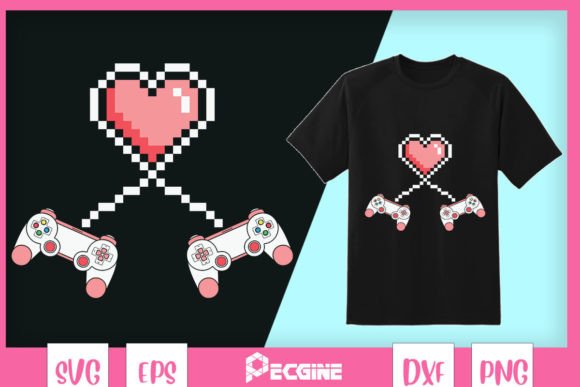
As a blog designer and digital publisher who regularly works with visual assets across multiple content platforms, I was immediately drawn to the Video Game Controller Valentine Pixel design pack. At first glance, this quirky, pixel-style graphic blends retro gaming aesthetics with a touch of romantic charm, making it a surprisingly versatile option for niche bloggers, content creators, and small business owners looking to inject personality into their digital presence.
The design itself feels playful and lighthearted, with a strong visual nod to 8-bit gaming culture. It’s ideal for creators in niches like tech, gaming, geek culture, romance, or seasonal content marketing. The pixel art style gives it a nostalgic edge, while the Valentine’s theme makes it perfect for February campaigns or love-themed affiliate content. It’s definitely not a serious or minimalist design—it leans more toward the lifestyle-focused, decorative, and modern side of the editorial spectrum.
Real-World Use Cases for Blog Graphics and Editorial Design
One of the first things I considered was how this graphic design asset could be used across real publishing workflows. Here’s where I see the most value:
- Featured images for gaming or romance-themed blog posts
- Pinterest pins with a playful, eye-catching visual hook
- Newsletter headers for Valentine’s or gaming-related email campaigns
- Social media graphics for platforms like Instagram, Twitter, or TikTok
- Downloadable printables like gaming-themed love notes or themed worksheets
- Digital guides or lead magnets targeting niche audiences
- Canva templates for creators who want to offer themed design kits
Because the design files include SVG, PNG, DXF, and EPS formats with transparent backgrounds, this asset is ready to be layered into various design environments. The pre-sized PNG files are especially helpful for quick implementation into blog layouts or Canva-based workflows without needing additional image editing.
How This Design Asset Elevates Content Performance
In content marketing, visual presentation matters more than ever. The Video Game Controller Valentine Pixel helps in several key ways:
- Stronger first impression – The pixel art style is instantly recognizable and nostalgic, making your content stand out in feeds and search results.
- Clearer visual hierarchy – Its bold, colorful design can act as a focal point in layouts, guiding the reader’s eye to key content elements.
- Better click-through potential – Unique visuals like this are more likely to be clicked on social media and in email newsletters.
- Consistent branding – If your blog or digital product line has a retro or playful aesthetic, this graphic reinforces that identity.
- Improved reader trust – Professionally designed graphics signal quality and effort, which enhances perceived credibility.
- Stronger visual identity – Used across multiple content assets, this design helps build a cohesive look for your brand.
Where This Design Asset Shines
This graphic works best in visually-driven environments where a pop of color and personality is welcome. Here are the top placements I recommend:
- Hero images on niche landing pages or seasonal blog posts
- Article thumbnails for gaming or romantic content
- Pinterest pins where visual uniqueness drives engagement
- Blog graphics that break up long-form content and add visual rhythm
- Newsletter headers that reflect a themed campaign
- Content upgrades like themed printables or downloadable resources
- Social media previews for blog posts or affiliate links
When to Use It Carefully
Despite its charm, this design isn’t universally applicable. Here are some situations where it may not be the best fit:
- Small mobile thumbnails – The pixel details may get lost on tiny screens.
- Text-heavy blog images – The playful style may clash with serious or professional messaging.
- Low-contrast backgrounds – The pixel colors may not stand out well if not placed thoughtfully.
- Busy layouts – In complex editorial designs, this graphic could compete with other elements.
- Serious professional niches – Law, finance, or corporate blogs may find this design too casual.
- Minimalist visual systems – If your brand leans into clean, flat design, this may feel out of place.
Publisher Notes: Practical Tips for Using Video Game Controller Valentine Pixel
Before deploying this design asset in your next content project, here are a few practical steps I recommend taking:
- Test it on desktop and mobile screens to ensure legibility and impact across devices.
- Preview it as a thumbnail to see how it performs in small sizes.
- Place it inside a real blog layout to evaluate how it integrates with your content structure.
- Try it with headline text to check readability and visual balance.
- Test contrast and readability when placed over different background colors.
- Try it in black and white if you're aiming for a more neutral or vintage aesthetic.
- Pair it with different fonts like serif, sans-serif, script, or display fonts to test visual harmony.
- Review file size—especially the PNG and SVG versions—for optimal web performance.
- Compress images properly before uploading to your CMS or email platform.
- Confirm commercial licensing to ensure it can be used in monetized content, affiliate marketing, or digital products.
Final Thoughts: A Niche Design Asset with Real Editorial Value
The Video Game Controller Valentine Pixel is more than just a cute graphic—it’s a thoughtfully crafted design asset that can elevate your content publishing efforts when used strategically. Whether you’re creating a themed blog post, a downloadable worksheet, or a Pinterest pin for a gaming or romance niche, this design brings a unique visual flavor that can help your content stand out in a crowded digital space.
For bloggers, affiliate marketers, online educators, and small business owners looking to build a strong visual identity, this asset is worth considering—especially if your brand voice leans toward playful, creative, or niche-specific. Just be sure to test it in real publishing contexts and pair it with complementary design elements to ensure it supports your content goals effectively.