Handheld Neo-retro Game Emulator: A Crafts-Inspired Video Game Design Asset for Nostalgic Branding
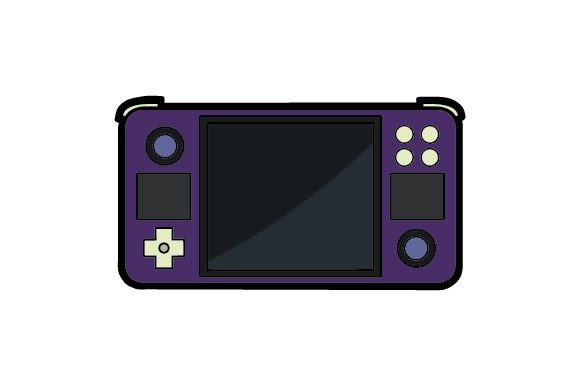
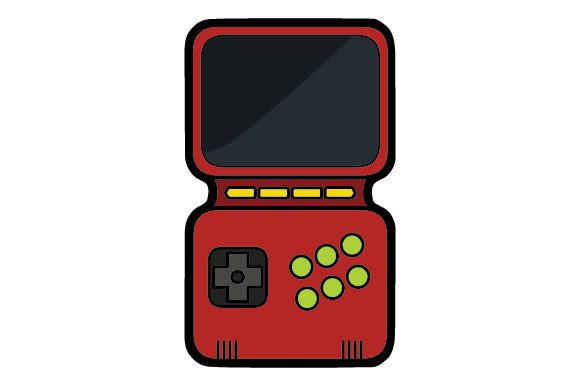
As a graphic designer working frequently with small businesses, Etsy sellers, and indie brands, I often look for design assets that carry both visual punch and emotional resonance. The Handheld Neo-retro Game Emulator caught my eye immediately—not just as a digital illustration, but as a potential cornerstone for a themed product line or a nostalgic marketing campaign. This SVG-based design feels like a love letter to 80s gaming culture, yet it’s clean enough to integrate into modern design workflows.
First Impressions: A Fusion of Retro Aesthetics and Modern Utility
The moment I opened the design files, I was struck by the attention to detail. The pixel-inspired outlines, the faux-plastic texture, and the color palette all scream “retro gaming,” but in a stylized, simplified way that doesn’t overwhelm the senses. It’s not photorealistic, nor is it overly cartoonish—it strikes a perfect middle ground that makes it versatile for both print and digital use.
This kind of design works especially well for clients aiming to evoke a sense of nostalgia or tap into the growing “retro-core” aesthetic. Whether it’s for a boutique gaming accessory brand or a themed holiday collection, this asset immediately sets a playful, approachable tone.
Real-World Use: From Brand Identity to Print-on-Demand Products
I recently worked on a rebranding project for a small Etsy shop that sells handmade gaming-themed stickers and apparel. I tested the Handheld Neo-retro Game Emulator across multiple design deliverables, including:
- Logo design: Used as a supporting icon in a custom logomark for a gaming-themed apparel brand.
- Packaging design: Integrated into a retro-styled product label for a limited-run game controller cleaning kit.
- Social media graphics: Scaled up for Instagram Stories and Pinterest pins promoting a “Retro Game Night” event.
- Printable design: Embedded in a downloadable 8-bit themed planner set for digital sellers.
- Cricut project: Layered into a custom vinyl decal design for a DIY gaming console case.
Across each use case, the design held up remarkably well. Its vector format made it easy to scale without losing clarity, and the transparent PNG version allowed for seamless layering over different background textures.
Where It Shines: Hero Graphics, Themed Collections, and Packaging Details
This design asset truly excels when used as a central visual element. In a recent packaging concept for a handmade game-themed candle line, I used the Handheld Neo-retro Game Emulator as a hero graphic on the front label. Paired with a bold sans-serif font and a muted neon color palette, it gave the product a vintage-meets-modern look that felt both authentic and marketable.
It also works well in themed collections—think seasonal campaigns around Retro Gaming Month, or as part of a larger design bundle for creative marketplaces. When used in editorial layouts or product mockups, it adds a tactile, nostalgic layer that enhances the overall storytelling of the brand.
Where to Use It Carefully: Minimalist Branding and Complex Layouts
While this design is visually rich, it’s not a one-size-fits-all solution. In minimalist branding projects where visual hierarchy is key, this asset can easily overpower the layout. I tested it in a corporate tech startup’s branding mockup and found it clashed with the sleek, modern typography and clean UI elements.
Similarly, in complex layouts with multiple overlapping graphics or high-contrast backgrounds, the design can get lost or compete for attention. It’s best used as a focal point rather than a background element, especially in digital ads or social media posts where clarity and quick recognition are crucial.
Design Performance: Readability, Hierarchy, and Brand Consistency
One of the biggest concerns when integrating any design asset into a client project is how it affects readability and visual hierarchy. With the Handheld Neo-retro Game Emulator, I found that it works best when paired with clean, modern fonts. Testing it with a bold display font gave it a retro arcade vibe, while pairing it with a simple sans-serif helped maintain a more contemporary brand identity.
From a brand consistency standpoint, this design holds up well across multiple applications. The vector format ensures it scales without distortion, and the transparent PNG makes it easy to layer over different textures and colors. However, I recommend testing it in black and white or grayscale to ensure it remains recognizable in monochrome applications like print ads or merchandise tags.
Practical Designer Notes Before Using Commercially
Before deploying this asset in a client project, here are some key checks I always run:
- Preview at multiple sizes: Ensure it remains legible and visually appealing on both large posters and small stickers.
- Test contrast on light and dark backgrounds: The color palette may need tweaking depending on the background.
- Inspect SVG and EPS files: Make sure paths are editable and layers are organized for easy customization.
- Check PNG transparency: Confirm that the transparent background works well in layered design software like Photoshop or Canva.
- Compare with different fonts: Try it with serif, sans-serif, and script fonts to see which branding direction it supports best.
- Verify commercial licensing: Always confirm that the asset is cleared for commercial use, especially for print-on-demand or Etsy applications.
Final Thoughts: A Versatile Creative Design for Nostalgic Branding
The Handheld Neo-retro Game Emulator isn’t just another clipart download—it’s a well-crafted design asset with real-world application in branding, packaging, and digital marketing. Whether you're designing for a handmade business, a boutique game accessory line, or a retro-themed event, this illustration brings a strong emotional hook and visual identity to your project.
For designers, content creators, and digital sellers, this asset offers a great balance of style and functionality. It’s adaptable, nostalgic, and professionally executed—making it a solid addition to any design bundle or creative marketplace toolkit. Just remember to test it thoroughly in context and always ensure you’re using it within licensing guidelines.