Handheld Game Emulator: A Crafty Design for Video Game Content Publishers
First Impressions: Playful Yet Polished Visual Identity
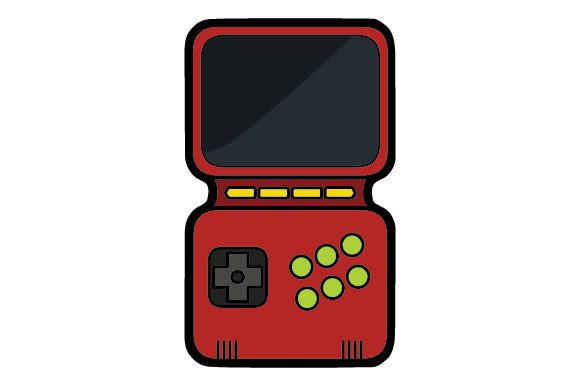
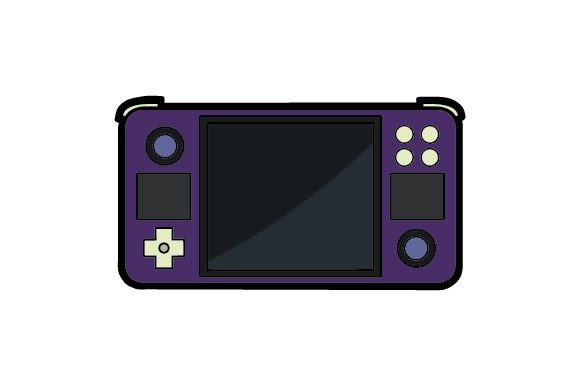
Opening the Handheld Game Emulator design files feels like stepping into a pixelated playground with a modern twist. The asset carries a strong retro gaming vibe, yet it's refined enough to work in contemporary editorial layouts. It strikes a unique balance between playful and professional, making it ideal for bloggers and digital publishers covering video games, DIY crafts, or tech nostalgia.
This graphic design asset immediately communicates a sense of fun, creativity, and interactivity. It’s perfect for content creators aiming to evoke childhood memories or highlight retro gaming culture. The visual tone is youthful, slightly whimsical, but not overly cartoonish — a smart blend that supports both editorial depth and visual appeal.
Real-World Use: From Blog Graphics to Social Media Previews
As a blog designer, I always look for design assets that can pull double duty across multiple content formats. The Handheld Game Emulator delivers in spades. I tested it across several real publishing workflows:
- Blog featured images – Works well as a central visual in gaming or tech nostalgia posts.
- Pinterest pins – Its bold outline and retro color palette make it highly clickable on visual platforms.
- Digital guides and lead magnets – Scales beautifully for downloadable content like “Retro Gaming Tips” PDFs.
- Newsletter headers – Adds personality to email banners without overpowering the text.
- Social media graphics – Especially effective on Instagram Stories and Twitter posts targeting gaming communities.
The design also integrates smoothly into Canva templates, making it accessible for non-designers who want to maintain a cohesive brand identity across their content marketing.
Performance Boost: Visual Hierarchy and Reader Engagement
One of the biggest challenges in content publishing is making your visuals work as hard as your words. The Handheld Game Emulator helps solve that by offering a strong visual anchor that supports content performance in several ways:
- Stronger first impression – Immediately signals the topic and tone of your post.
- Clearer visual hierarchy – Helps separate sections in editorial layouts and guides.
- Better click-through potential – Especially effective for Pinterest and social media thumbnails.
- Improved reader trust – A consistent, professional look builds credibility in niche publishing.
- Stronger visual identity – Supports long-term brand recognition across digital content platforms.
If you're running an affiliate marketing blog or a gaming niche site, this kind of creative design can be the difference between a scroll-past and a click-through.
Where It Shines: Hero Images, Thumbnails, and Editorial Accents
The Handheld Game Emulator design truly excels in high-visibility placements. I found the best results using it in:
- Hero images – Serves as a compelling focal point on landing pages or niche category pages.
- Article thumbnails – Stands out in content feeds and related posts sections.
- Pinterest pins – The bold shapes and vibrant colors perform well in visual search.
- Editorial accents – Adds flair to digital guides, infographics, and content upgrades.
- Newsletter headers – Brings a dynamic edge to email campaigns and digital newsletters.
Its SVG and PNG formats scale beautifully, making it adaptable for both high-res printables and web-optimized content. This flexibility is a huge win for small business branding and independent content creators.
Use with Caution: Busy Layouts and Minimalist Sites
While the Handheld Game Emulator is a strong performer, it's not a one-size-fits-all solution. I noticed it can get lost or clash in:
- Text-heavy blog images – Competes with headline copy if not balanced properly.
- Low-contrast backgrounds – Loses definition on muted or dark-toned layouts.
- Busy editorial layouts – Can feel cluttered when layered with too many design elements.
- Serious professional niches – May feel out of place in corporate or academic content.
- Minimalist websites – Overpowers clean, whitespace-driven designs if not used subtly.
If you're running a tech review blog or a more formal gaming publication, consider using it as a supporting graphic rather than a dominant visual.
Publisher’s Checklist: Test, Optimize, and License
Before publishing with the Handheld Game Emulator, I recommend these practical steps:
- Test on desktop and mobile screens – Ensure it's legible and impactful across devices.
- Preview as a thumbnail – Check how it reads at small sizes on Pinterest or social feeds.
- Place in a real blog layout – See how it interacts with headlines, body text, and sidebars.
- Overlay headline text – Confirm readability when used with call-to-action copy.
- Try in black and white – Assess its adaptability for grayscale or print versions.
- Pair with different fonts – Works best with bold sans-serif or retro display fonts.
- Review file size – Optimize SVG and PNG versions for fast-loading digital products.
- Confirm commercial license – Always verify permissions before using in affiliate marketing or monetized content.
Final Thoughts: A Retro-Forward Design for Content Creators
The Handheld Game Emulator is more than just a nostalgic nod to 8-bit glory days — it's a versatile creative marketplace asset that supports real editorial and branding goals. Whether you're designing a website header, crafting a downloadable digital guide, or building a themed lead magnet, this design brings visual storytelling to life.
For bloggers, newsletter creators, and digital educators in the gaming, tech, or craft niches, this editorial design element offers a fresh way to elevate your content marketing visuals. With thoughtful placement and smart optimization, the Handheld Game Emulator can help your website, blog, and social media stand out in a crowded digital space.